Industry
Caluanie’s Alleged Other Uses: Exploring claims of using it for paint removal, stain removal, or general solvent applications
Oct
Beyond the primary claims of metal processing capabilities, Caluanie Muelear Oxidize is sometimes promoted for various other applications including paint removal, stain treatment, and general solvent uses. This examination explores these secondary claims and their plausibility.
Paint and Coating Removal Claims
Vendors occasionally suggest Caluanie for:
- Stripping paint from metal surfaces
- Removing powder coatings
- Cleaning industrial equipment
- Surface preparation for recoating
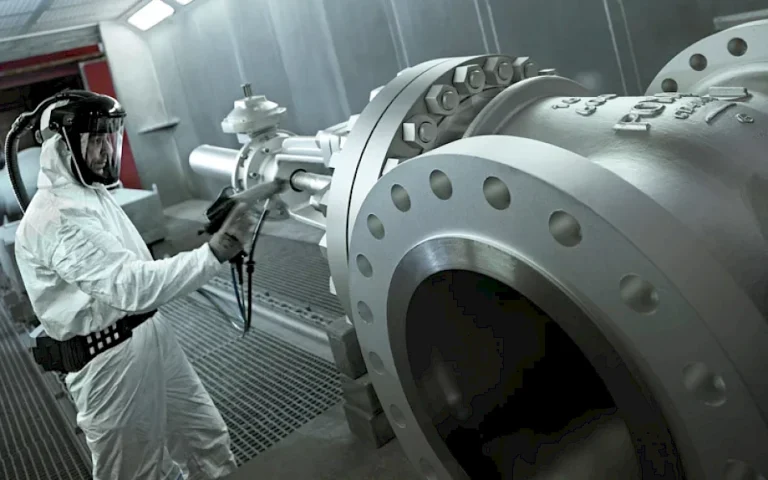

Established Paint Removal Methods
Legitimate industrial paint removal uses:
- Chemical Strippers: Methylene chloride, NMP, or benzyl alcohol-based formulations
- Media Blasting: Sand, plastic, or walnut shell blasting
- Thermal Methods: Heat guns or burn-off ovens
- Mechanical Methods: Scraping, grinding, or brushing
Stain Removal Applications
Claims of stain removal capability face several challenges:
- Stains vary widely in composition (organic, inorganic, biological)
- Effective stain removal requires specific chemical actions
- No single chemical works effectively on all stain types
- Professional stain removal uses tailored formulations for specific applications
General Solvent Applications
The claim that Caluanie works as a general-purpose solvent is problematic because:
- Solvents have specific properties (polarity, evaporation rate, solubility parameters)
- No single solvent works effectively for all applications
- Industrial solvent selection is based on specific technical requirements
- Safety, environmental, and regulatory considerations drive solvent choice
Plausibility Assessment
If Caluanie contains strong oxidizing agents, it might:
- Degrade certain types of paint through oxidation
- Bleach or oxidize some stains
- React with specific materials as a chemical reactant rather than solvent
However, the lack of specificity about which materials it works on, under what conditions, and with what efficiency makes these claims difficult to evaluate. Established industrial chemicals for these applications have documented performance data, recommended usage conditions, and known limitations—none of which exists for Caluanie.
The secondary applications appear to be additional marketing claims rather than documented, optimized uses, and they lack the specificity and supporting data expected for legitimate industrial chemicals.
