
Science
Understanding the Mechanism: How its potent oxidizing properties chemically break down metallic bonds
Oct
To evaluate claims about Caluanie Muelear Oxidize’s capabilities, we must examine the fundamental chemistry of how oxidizing agents interact with metals. This analysis separates plausible chemical mechanisms from scientifically unsupported assertions.
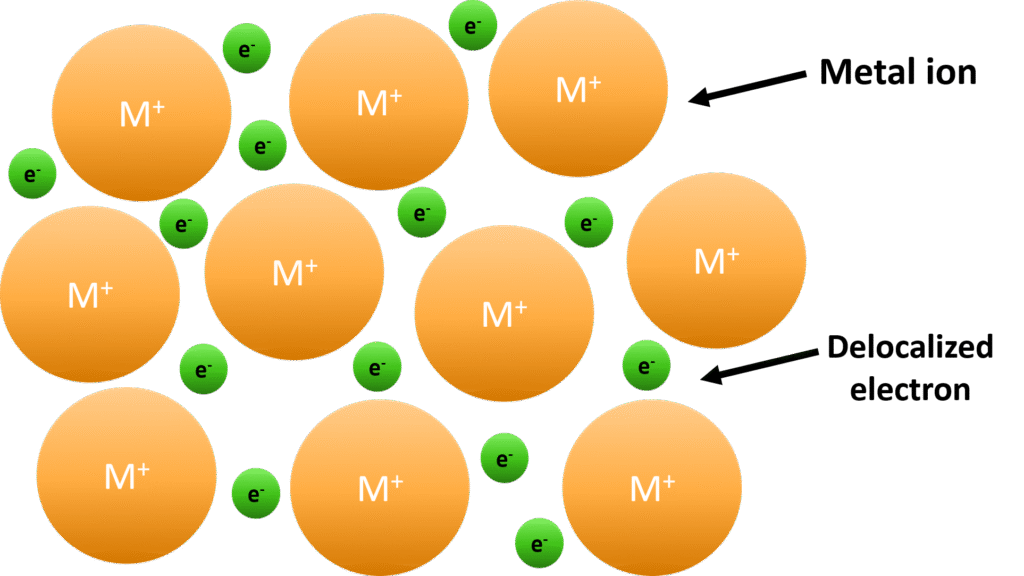
The Nature of Metallic Bonding
Metals are held together by metallic bonds—a sea of delocalized electrons surrounding positive metal ions. This structure gives metals their characteristic properties:
- Electrical and thermal conductivity
- Malleability and ductility
- Metallic luster
- Strength and hardness
How Oxidizers Interact with Metals
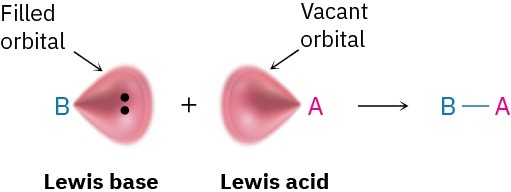
Oxidizing agents work by accepting electrons from other substances. When metals encounter strong oxidizers:
- Metal atoms lose electrons (oxidation)
- The metal surface corrodes or dissolves
- Metal ions may form complexes or precipitates
- The reaction may generate heat, gas, or both
Plausible Oxidation Mechanisms
If Caluanie contains strong oxidizing agents, it might:
- Convert metal surfaces to oxides or other compounds
- Etch or corrode metal surfaces selectively
- Initiate pitting corrosion in certain alloys
- Catalyze other chemical reactions with metals
The “Metal Crushing” Misconception
The claim that any chemical can “crush” or significantly soften bulk metal contradicts materials science principles:
- Chemical reactions primarily affect surfaces
- Bulk mechanical properties require bulk treatment (heat, mechanical work)
- Metals have crystalline structures that don’t “soften” chemically
- Significant changes to bulk properties would require complete chemical transformation
Realistic Capabilities vs. Marketing Hype
While strong oxidizers can certainly corrode metals, the extraordinary claims surrounding Caluanie—instant metal softening, miraculous precious metal extraction, nuclear applications—lack mechanistic explanation and contradict established chemical principles. Without verified composition data and independent testing, these claims remain in the realm of marketing fiction rather than demonstrated science.
