Science
The Chemical Class: A deep dive into the Proprietary Muelear Oxidizing Agent and Additive Blends mentioned in some documents
Oct
Some documentation references “Proprietary Muelear Oxidizing Agent and Additive Blends” as the described composition of Caluanie. This deep dive examines what this description might mean in terms of established chemical classes and what known substances could fit this general characterization.
Understanding “Proprietary Blends” in Chemistry
Legitimate proprietary chemical blends typically:
- Have known base components with proprietary ratios or additives
- Provide generic composition information for safety purposes
- Offer technical data about performance characteristics
- Have established manufacturing quality control
- Appear in industry supplier catalogs with specific application guidance
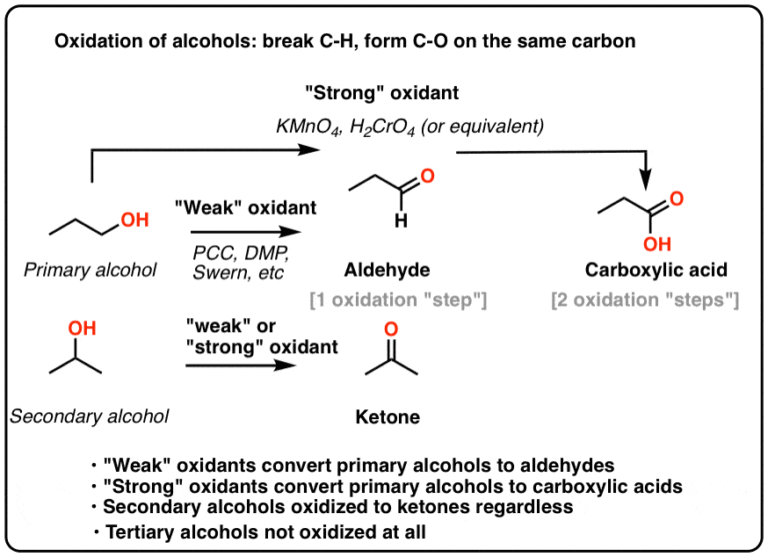
Potential Oxidizing Agent Classes
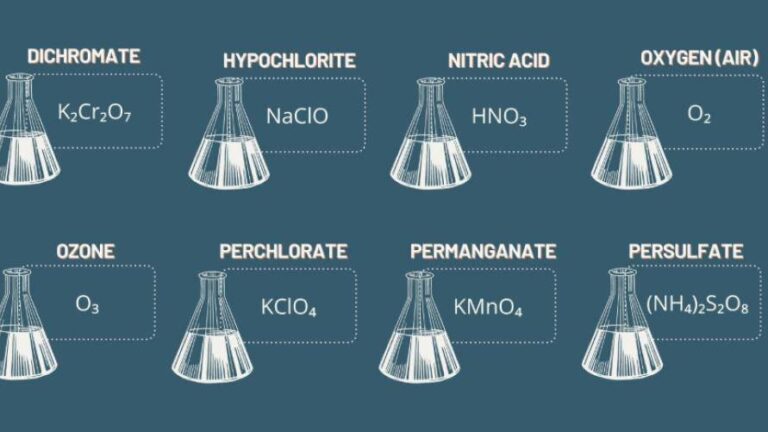
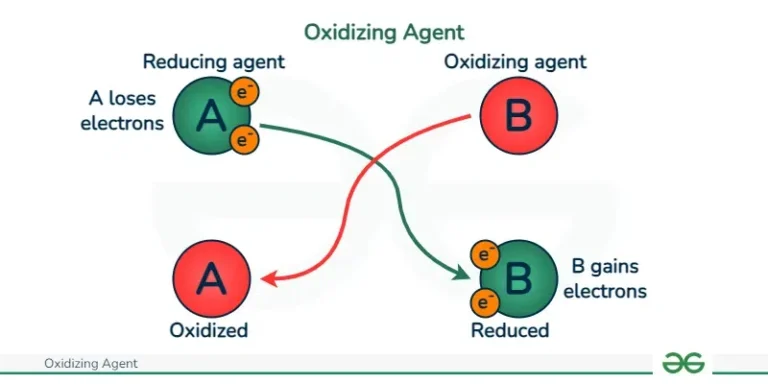
If Caluanie contains strong oxidizing agents, possible candidates include:
- Peroxide Compounds: Hydrogen peroxide, peracetic acid, or organic peroxides
- Chlorinated Oxidizers: Chlorine-based compounds like sodium hypochlorite
- Nitrogen-based Oxidizers: Nitric acid or nitrate compounds
- Metal-based Oxidizers: Permanganates, chromates, or other metal oxidizers
- Organic Oxidizers: Specialized organic oxidizing agents
Common Industrial Additive Types
Additives in industrial chemical blends might include:
- Stabilizers: To prevent decomposition during storage
- Thickeners: To control viscosity and application properties
- Surfactants: To improve wetting and penetration
- Corrosion Inhibitors: To protect equipment when using corrosive oxidizers
- pH Modifiers: To control reaction rates and specificities
Analyzing the “Muelear” Descriptor
The invented term “Muelear” suggests several possibilities:
- A marketing term with no technical meaning
- A deliberate misspelling to avoid regulatory scrutiny
- An attempt to suggest nuclear-related properties
- A brand name for a specific formulation approach
Known Chemical Formulation Patterns
Established industrial chemical formulations with similar described properties might include:
- Oxidizing Cleaners: For industrial equipment cleaning
- Metal Treatment Chemicals: For surface preparation or passivation
- Specialty Solvent Blends: For specific industrial applications
- Chemical Milling Compounds: For controlled metal removal
The Information Gap
The fundamental problem with the “proprietary blend” description for Caluanie is the complete absence of:
- Generic component identification for safety purposes
- Performance data for specific applications
- Handling and storage guidelines beyond generic warnings
- Compatibility information with common materials
- Waste treatment and disposal guidance
Without even basic composition information, the “proprietary blend” description serves more to conceal than to inform, preventing proper safety assessment, regulatory compliance, and technical evaluation of appropriate applications.
The deep dive reveals that while many established chemical classes could fit the general description, the specific formulation remains completely undefined, making rational evaluation or comparison with known chemicals impossible.
