Commerce, Safety
Buyer Beware: A Checklist for Vetting Suppliers of Potent Industrial Chemicals (How to confirm COA/MSDS documents)

Oct
Purchasing potent industrial chemicals requires rigorous supplier verification to ensure product quality, safety, and regulatory compliance. This comprehensive checklist helps buyers properly vet chemical suppliers and verify documentation authenticity.
Company Verification Checklist
✅ Verify business registration in claimed jurisdiction
✅ Confirm physical address through independent sources
✅ Check for manufacturing facility details and certifications
✅ Verify environmental permits and regulatory compliance
✅ Confirm membership in industry associations
✅ Check for presence at industry trade shows and conferences

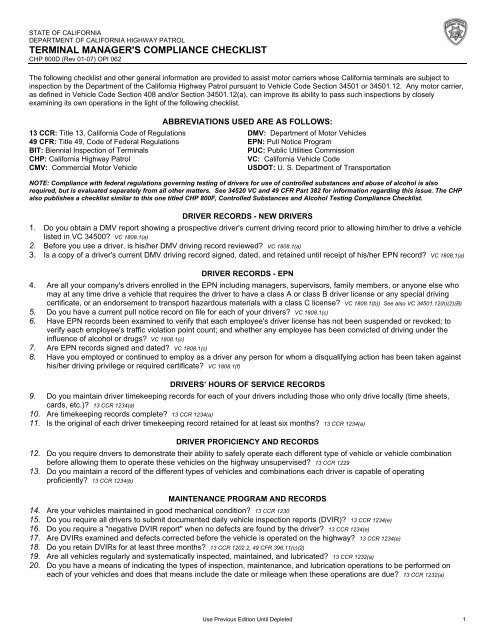
Document Authentication Checklist
✅ MSDS/SDS documents specific to manufacturer
✅ Certificate of Analysis (COA) from independent laboratory
✅ Technical data sheets with specific performance data
✅ Batch-specific quality control records
✅ Export/import compliance documentation
✅ Transportation safety documentation
MSDS/SDS Verification Steps
Legitimate safety data sheets should:
- Be specific to the manufacturer, not generic templates
- List actual manufacturer contact information
- Provide specific composition information (within proprietary limits)
- Include manufacturer-specific hazard classifications
- Reference batch-specific testing where applicable
- Be consistent with known hazards of similar chemicals
Certificate of Analysis (COA) Verification
Authentic COAs include:
- Independent laboratory letterhead and contact information
- Specific testing methods and equipment used
- Batch numbers matching product labeling
- Testing dates relevant to current inventory
- Clear specification of what parameters were tested
- Actual numerical results with measurement uncertainties
Supplier Interaction Red Flags
🚩 Resistance to providing documentation
🚩 Inconsistent information across communications
🚩 Pressure to make quick decisions
🚩 Requests for unusual payment methods
🚩 Avoidance of technical questions
🚩 Inability to provide customer references
🚩 Claims of “exclusive” or “secret” formulations
�️ Refusal of third-party verification
Due Diligence Actions
🔍 Conduct independent laboratory testing of samples
🔍 Verify references with direct contact
🔍 Inspect facilities directly or through third parties
🔍 Review regulatory compliance history
🔍 Check for litigation or complaint history
🔍 Consult with industry experts about supplier reputation
Proper supplier vetting is not just good business practice—it’s essential for safety, regulatory compliance, and ensuring you receive the product you’re paying for.
