
Controversy
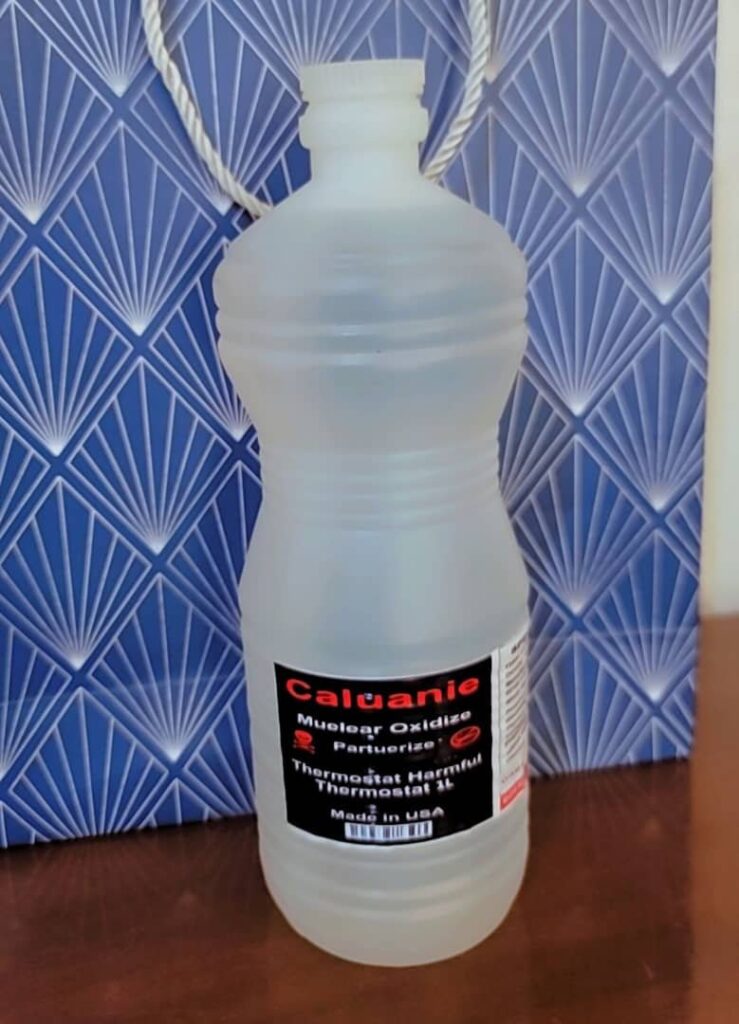
The Great Chemical Debate: Is Caluanie Muelear Oxidize a Real Chemical or an Industrial Scam?
Oct
The controversy surrounding Caluanie Muelear Oxidize represents one of the most heated debates in online industrial chemical circles. This analysis examines the evidence from both sides to help determine whether this substance represents a legitimate industrial chemical or an elaborate scam.
Arguments for Legitimacy
Proponents point to:
- Multiple vendors offering the product internationally
- User testimonials and demonstration videos
- Claims of specific industrial applications
- Apparent chemical reactivity in some demonstrations

Evidence Suggesting a Scam
Skeptics highlight numerous red flags:
- No CAS Registration: The substance doesn’t appear in chemical databases
- Non-Standard Nomenclature: “Muelear Oxidize” violates chemical naming conventions
- Absence from Industry: No documented use in legitimate industrial facilities
- Extraordinary Claims: Capabilities that contradict established science
- Inconsistent Documentation: Conflicting MSDS and technical data between vendors
The “Proprietary Blend” Defense
Vendors often claim Caluanie is a “proprietary blend,” but legitimate proprietary chemicals:
- Have verified manufacturers with physical addresses
- Provide proper safety documentation
- Supply technical data sheets with actual performance data
- Appear in industry publications and conferences
- Have established customer bases in legitimate industries
Patterns Common to Chemical Scams
Caluanie exhibits several characteristics of known chemical scams:
- Vague but impressive-sounding applications
- Claims of extraordinary capabilities
- High prices with promises of even higher returns
- Lack of verifiable independent testing
- Focus on individual buyers rather than industrial customers
The Verdict from Chemical Professionals
Chemical engineers, industrial chemists, and regulatory experts consistently express skepticism. The absence from legitimate industrial use, combined with the extraordinary claims and non-standard documentation, suggests that while Caluanie may be a real substance, its marketed identity and capabilities appear significantly exaggerated or misrepresented.
The burden of proof remains on vendors to provide verifiable composition data, independent performance testing, and documented industrial applications—none of which has been satisfactorily demonstrated to date.
